
The Mississippi Supreme Court this month declined to reconsider its 2024 decision to uphold almost $15 million in punitive damages and attorney fees against USAA in one of the longest-running claims disputes to come out of Hurricane Katrina.

The court ruling, stemming from litigation brought by the prominent Minor family after the storm destroyed their 130-year-old Ocean Springs home, was deemed so important that a national property insurance group, a former Mississippi governor and business groups urged the court to reconsider. The Mississippi insurance commissioner also stepped in and filed his own amicus curiae brief with the court in support of USAA.
“I’ve been practicing 35 years and I’ve never seen a commissioner do that,” said David Baria, co-counsel for the Minor family in the case.
The commissioner’s action in the case was likely due to extraordinary political pressure brought by the insurance industry and its advocates in Mississippi, Baria said.
Commissioner Mike Chaney told Insurance Journal that he has authorized friend-of-the-court filings in other cases through the years. This time, he said he felt compelled to get involved to help protect the property insurance market in the state: Insurers don’t collect premiums for punitive damages, and such large verdicts can scare insurers away.
“I’m not being partial to either side,” Chaney said.
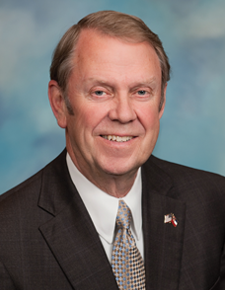
As an example of his scrutiny of the insurance industry, Chaney pointed out that in early October he notified State Farm Insurance that the Mississippi Insurance Department is taking the unusual step of launching a targeted market conduct examination of the insurance giant, due to numerous consumer complaints about unpaid claims.
USAA’s own claims practices were also questioned throughout the 18-year litigation in the Minor case.
San Antonio-based USAA, one of the largest property-casualty carriers in the country, and its attorneys in the case did not respond to requests for information on the Minor litigation. Others involved in the case said it’s likely that USAA will now ask the U.S. Supreme Court to review the matter, based on constitutional questions about punitive damages.
In addition to punitive damages, the state high court said last week that USAA must now pay the costs of the state appeal.
The case began in 2005, when the Minors’ historic coastal home, designed in part by world-famous architect Frank Lloyd Wright, was heavily damaged by the wind and waves of Hurricane Katrina. Paul Minor, patriarch of the family and a former plaintiffs’ attorney himself, said his family repeatedly offered to settle, but USAA responded only with “scorched earth” tactics that left plaintiffs baffled.
The state Supreme Court agreed that USAA had acted in bad faith on the claim.
“The evidence presented at trial revealed that USAA wished to reap the benefits of the insurance policy premiums while depriving the Minor Estate the full benefits of that policy,” Justice David Ishee wrote for the majority of the court.
